

What Is Recursive Self-Improvement?
Building an AI model involves more than writing code. Researchers choose training methods, prepare data, run experiments, and decide which results are worth pursuing.
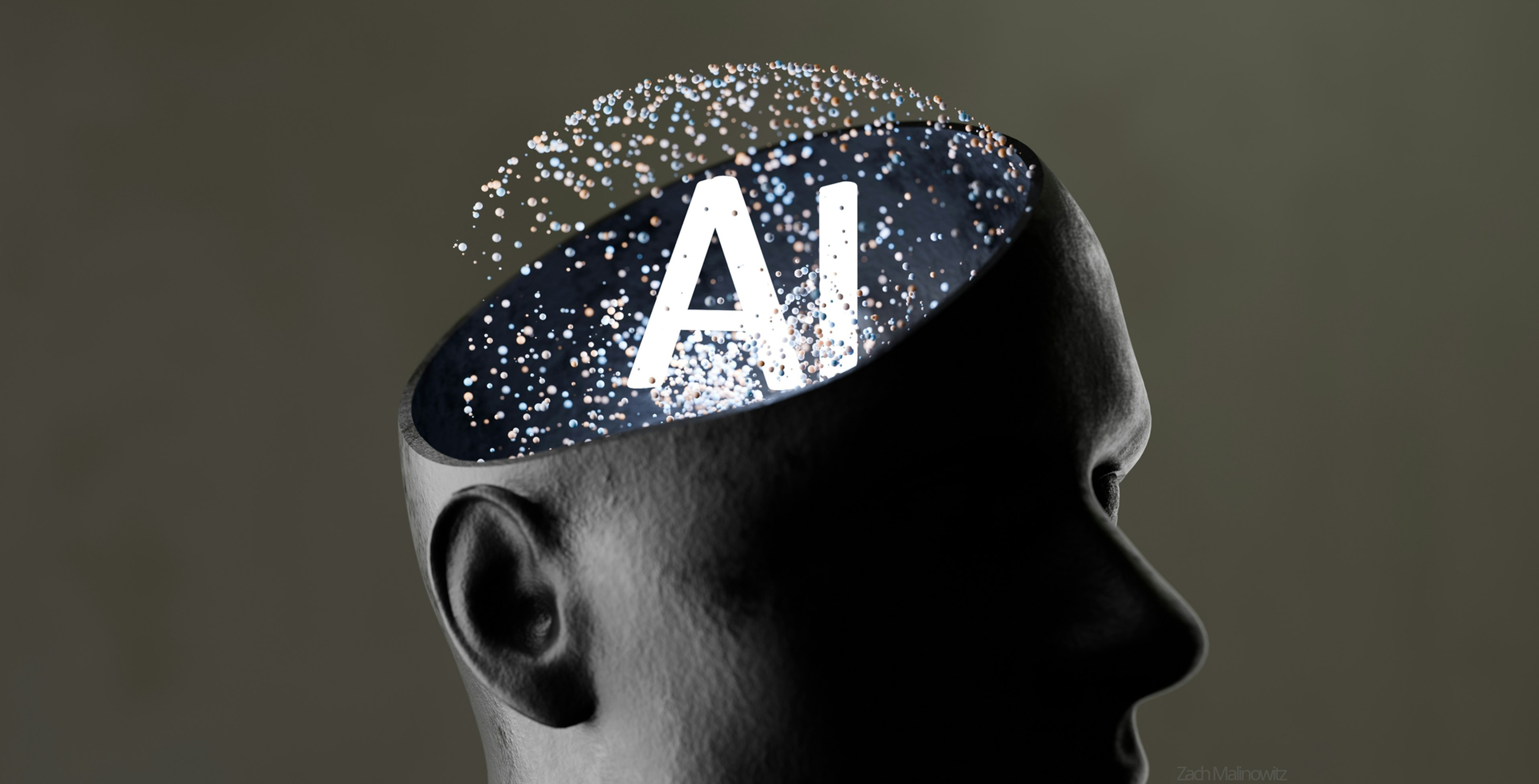
AI can help with those tasks. Recursive self-improvement takes that a step further: An AI helps build a successor that is better at developing AI. That successor then helps build an even more capable version. In simple terms, the systems get better at getting better.
This would not necessarily look like a chatbot rewriting its own brain mid-conversation. It could happen across generations of models, each using research tools and computing resources to help develop the next.
Is AI already doing this?
Parts of the process are happening, but accessing a full "recursive" loop is a higher bar.
Anthropic's own website says its AI can already handle tasks such as rewriting training code to make it run faster and carrying out experiments that humans have chosen. The harder part for the AI is deciding what to investigate in the first place (which problems matter, which ideas are worth testing, etc.).
Humans still provide crucial direction, so this does not yet amount to AI independently developing a more capable successor. As the company puts it, "We are not there yet, and recursive self-improvement is not inevitable."
Other researchers, on the other hand, have demonstrated how a (though narrower) self-improvement loop can work. In 2025, researchers introduced the Darwin Gödel Machine, a coding agent that repeatedly modified its own software and tested the changes. Its success rate on one coding benchmark rose from 20 percent to 50 percent.
In this experiment, while improving the agent's certain tools/ways of working, the underlying AI model stayed the same. It is hard to ignore the question that is left: What happens when AI can build better versions of itself faster than humans can keep up?
"We are not there yet, and recursive self-improvement is not inevitable." Anthropic
(click photo for full article)
Comments